


- Navigating the ESRD Journey
- Lifeline For a Lifetime
- Fistula First Catheter Last
- Disaster Planning
- Healthcare Associated Infection (HAI)
An understanding of your patient’s health state is very important for them to have successful dialysis treatments.
Take the “Your Virtual ESRD Journey”, so you can find discover new information and become more involved in your patient’s care.
Checking your patient’s lifeline every time they are in for treatment is a critical step to making sure their access is functioning appropriately and or to detect potential problems.
Click here for an interactive tool that will help you learn how to perform a quick access check and what to watch to determine if there is a problem.
 Resources for surgeon training on arteriovenous fistulas (AVFs), cannulation, access planning, access monitoring, and access to the FFCL Dashboard.
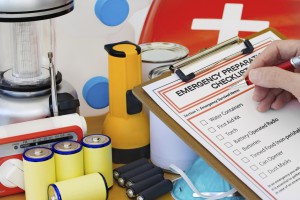
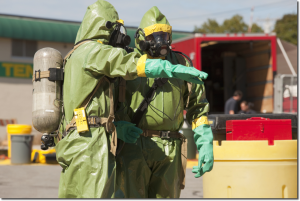
Emergency preparedness is key for hemodialysis facilities. From winter storms to hurricanes, hazards of all types can jeopardize the health and safety of dialysis patients and the ability of dialysis facilities to operate.
For resources specifically for dialysis facilities to help prepare, respond and recover from disasters click here.
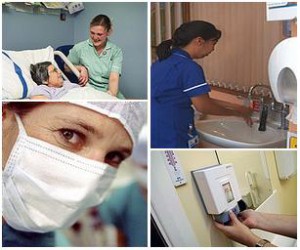
The ESRD National Coordinating Center under contract with the Centers for Medicare and Medicaid Services (CMS) is leading an initiative to support the 18 ESRD Networks in the elimination of healthcare associated infections (HAI) in the ESRD population.
Patient Education

Renal Professionals

- Fistula First Catheter Last
- FFCL Dashboard
- Training Videos
- Lifeline for a Lifetime
- Map of all ESRD Networks
- Healthcare Associated Infection Learning and Action Network (HAI)
- ESRD Network Directory
- CMS Summary Annual Reports
- CMS ESRD Quality Incentive Program 1.0.0 System Training
- NHSN Dialysis Event Surveillance Training
Emergency Planning
ESRD JourneyFistula First Catheter Last (FFCL)
 An understanding of your patient’s health state is very important for them to have successful dialysis treatments. Discover new information and become more involved in your patient’s care. Read more…
 Focuses on increasing the use of AV fistulas while decreasing the use of tunneled dialysis catheters as long-term vascular accesses for dialysis, toward CMS’s goal of 68% prevalent AVF in all ESRD Networks. Read more…